

Fall Lawn and Garden Care in Andover, MA: What Homeowners Should Do Before Winter
Fall Lawn and Garden Care in Andover, MA: What Homeowners Should Do Before Winter
By Tom Carroll | The Carroll Group, RE/MAX Partners
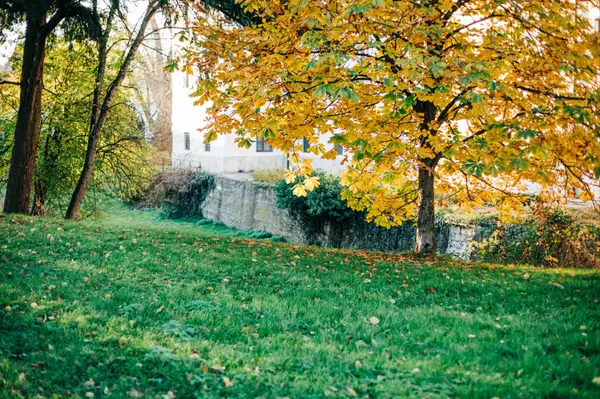
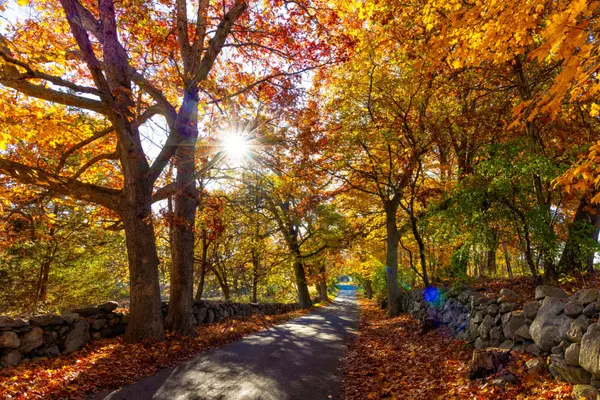
There's a point every fall in Andover when the leaves seem to go from changing color to covering the entire yard almost overnight. The mornings get colder, the days get shorter, and suddenly all those outdoor projects we've been putting off start competing with the approaching winter.
For homeowners in Andover, North Andover, and throughout the Merrimack Valley, fall is an important time to take care of the property before freezing temperatures arrive. And while it can be tempting to pack away the gardening tools as soon as summer ends, a little attention now can make a noticeable difference when spring returns.
After more than 35 years working with homes throughout the area, and with my background in construction, I've seen how regular property maintenance can help prevent small issues from becoming expensive problems.
The good news is that preparing your lawn and garden for winter doesn't require an elaborate landscaping project. It comes down to understanding what needs attention, what should be left alone, and how to protect the investment you've already made in your outdoor spaces.
Here's where I'd recommend starting.
1. Give Your Lawn the Right Attention Before Winter
Fall is one of the most important seasons for maintaining cool-season grasses, which are commonly found throughout Massachusetts.
Kentucky bluegrass, perennial ryegrass, and fine fescues generally perform well in New England's climate. As temperatures cool and rainfall patterns change, these grasses can devote energy to root development and recovery from summer stress.
However, the timing of lawn treatments matters.
Early fall is typically a favorable period for seeding, overseeding, and addressing compacted soil. By late November, soil temperatures may be too low for successful establishment, so it's important to adjust your approach to the time of year.
The UMass Amherst Extension Turf Program provides research-based guidance for managing lawns in Massachusetts, including seasonal maintenance recommendations.
If your lawn has thin areas or bare patches, consider whether overseeding is appropriate for the current conditions or whether the work would be better scheduled for next year.
Aeration may also help lawns with compacted soil, particularly in high-traffic areas where water and air have difficulty reaching the root zone.
But not every lawn needs annual aeration. Soil condition, drainage, and the amount of foot traffic should help determine whether it's necessary.
2. Don't Cut the Grass Too Short Before the First Snow
One of the most common lawn-care misconceptions is that grass should be cut extremely short before winter.
In reality, scalping the lawn can stress the grass and leave it more vulnerable to damage.
Continue mowing while the grass is actively growing, and follow appropriate mowing-height recommendations for the species in your yard.
A useful general rule is to avoid removing more than one-third of the grass blade during a single mowing.
As growth slows, mowing frequency can be reduced.
Before putting the mower away for the season, remove accumulated grass clippings and debris, clean the equipment, and follow the manufacturer's storage recommendations.
If you use a gasoline-powered mower, pay particular attention to fuel storage and winterization instructions.
Taking care of the equipment now can make the first mowing of spring considerably easier.
3. Manage Fallen Leaves Without Removing Every Last One
If your property has mature trees, leaf cleanup can feel like a never-ending project.
Andover and North Andover have many established neighborhoods with substantial tree cover, making leaf management a familiar fall responsibility.
But homeowners don't necessarily need to remove every leaf from the property.
A light layer of leaves can often be shredded with a mulching mower and allowed to decompose into the lawn, provided the material is finely chopped and doesn't smother the grass.
Thick layers of wet leaves, however, can block sunlight, trap moisture, and contribute to unhealthy turf conditions.
The key is preventing leaves from accumulating in dense mats.
Leaves can also be collected and added to compost piles or used in appropriate garden areas.
For more information about composting yard materials, the University of New Hampshire Cooperative Extension offers practical gardening and composting resources suited to New England conditions.
Be mindful of local yard-waste disposal rules, and never blow leaves into streets or storm drains.
Keeping drainage areas clear is especially important as late-fall rain and winter weather approach.
4. Test Your Soil Before Applying Fertilizer
It's easy to assume that every lawn needs another application of fertilizer before winter.
But applying nutrients without understanding the soil's condition can waste money and contribute to unnecessary runoff.
A soil test can help identify nutrient levels and pH conditions, providing a more informed basis for lawn and garden care.
The UMass Soil and Plant Nutrient Testing Laboratory offers soil testing services and information for Massachusetts homeowners.
Testing is particularly useful if your lawn has struggled despite regular watering and maintenance.
It may reveal that the problem isn't a lack of fertilizer at all.
Massachusetts also regulates certain lawn fertilizer applications. Homeowners and landscape professionals should review the applicable rules before applying products, particularly near waterways or during periods when the ground is frozen.
The Massachusetts Department of Agricultural Resources provides information about state agricultural and fertilizer-related regulations.
Rather than treating fall fertilization as an automatic annual task, use soil conditions, grass needs, product directions, and seasonal timing to guide the decision.
5. Plant Spring-Blooming Bulbs Before the Ground Freezes
One of the more rewarding fall gardening projects is planting flowers that won't appear until the following spring.
Tulips, daffodils, crocuses, and other spring-blooming bulbs are typically planted in the fall because they require a period of cold temperatures before flowering.
In the Andover area, planting usually takes place after the soil begins cooling but before it freezes.
Choose locations with appropriate sunlight and well-drained soil.
Planting depth and spacing depend on the type of bulb, so follow the instructions for the specific variety.
It's also worth considering wildlife.
Deer, squirrels, and other animals can damage certain bulbs, and some varieties are more attractive to wildlife than others.
Daffodils are often a practical choice for gardeners concerned about deer browsing, although no planting is entirely immune to damage.
A little planning now can provide welcome color after a long New England winter.
6. Protect Newly Planted Trees and Shrubs
Fall can be a favorable time to establish certain trees and shrubs, but new plantings need attention before winter.
Even when aboveground growth slows, roots may continue developing while soil conditions remain suitable.
The most important consideration is moisture.
Newly planted trees and shrubs should receive appropriate watering until the ground freezes, particularly during dry autumn periods.
A layer of organic mulch around the base can help moderate soil temperature and retain moisture.
However, avoid piling mulch directly against the trunk.
That familiar mound of mulch shaped like a volcano may be common in landscaping, but it can trap moisture against bark and contribute to decay or other problems.
Instead, spread mulch in a broad, relatively shallow layer while keeping the root flare and trunk base clear.
For newly planted or vulnerable trees, protection from deer browsing, rodents, and winter damage may also be appropriate.
The UMass Extension Landscape, Nursery & Urban Forestry Program provides useful resources for maintaining trees, shrubs, and ornamental landscapes in Massachusetts.
7. Know Which Perennials to Cut Back—and Which to Leave Alone
Many homeowners approach fall garden cleanup with the idea that everything should be cut down to the ground.
But not every perennial benefits from being removed before winter.
Some plants are better left standing because their stems and foliage provide winter interest, shelter for beneficial insects, or food sources for birds.
Others may need cleanup because of disease, pest damage, or the particular plant's growth habits.
Rather than applying one rule to every garden bed, identify the plants you're growing and determine their individual maintenance needs.
Diseased foliage should generally be removed and disposed of appropriately to help reduce the potential for problems returning the following season.
Healthy plant material may be suitable for composting or leaving in place, depending on the species and garden conditions.
For homeowners interested in supporting pollinators and beneficial wildlife, leaving some stems and natural materials undisturbed through winter can be worthwhile.
A garden doesn't have to look completely bare to be properly maintained.
8. Check Drainage Around Garden Beds and the Foundation
Fall landscaping isn't only about plant health.
It's also an opportunity to evaluate how water moves around the property.
As leaves accumulate and rainfall increases, drainage problems can become more noticeable.
Walk around your home after a significant rain and look for areas where water collects near the foundation, along walkways, or around retaining walls.
Check that downspouts are functioning and directing water appropriately away from the structure.
Garden beds should be graded and maintained so they don't encourage water to collect against the home.
With my background in construction, this is one of the areas I encourage homeowners to pay attention to.
Water management can affect foundations, basements, landscaping, and other parts of a property.
If you notice recurring pooling, erosion, or signs of water entering the basement, consider having the issue evaluated by a qualified professional before winter.
9. Winterize Outdoor Faucets, Hoses, and Irrigation Systems
Frozen water can cause damage to outdoor plumbing, especially when temperatures fluctuate during late fall and winter.
Before the first hard freeze, disconnect garden hoses from exterior faucets.
Where applicable, shut off the interior water supply to outdoor spigots and drain the lines according to the plumbing system's design.
Homes with irrigation systems may require professional winterization to remove water from vulnerable components.
Don't assume every system uses the same procedure.
Incorrectly winterizing an irrigation system can cause damage, particularly when compressed air is involved.
Outdoor containers, watering equipment, and garden accessories should also be emptied and stored where appropriate.
The Mass Save website offers additional information about home energy efficiency and weatherization programs that may be useful as homeowners prepare for colder weather.
Although winterizing a garden hose may seem like a minor task, preventing frozen plumbing can save considerable inconvenience and repair costs.
10. Protect Patios, Walkways, and Outdoor Living Areas
Outdoor spaces are often among the most enjoyable features of a home during warmer months.
But patios, decks, stone walkways, and outdoor furniture also need seasonal attention.
Remove accumulated leaves and debris from hardscaped surfaces, especially areas where moisture may become trapped.
Inspect steps and walkways for loose stones, uneven surfaces, or damaged materials that could become hazardous when snow and ice arrive.
Wooden decks should be checked for loose boards, deteriorating railings, and other visible concerns.
Outdoor furniture, cushions, and accessories should be cleaned and stored or covered according to the manufacturer's recommendations.
If your property has an outdoor kitchen, fire pit, or other specialized feature, follow the appropriate shutdown and winterization instructions.
These maintenance tasks help protect outdoor improvements and make the space easier to use again when spring arrives.
How Fall Landscaping Affects Your Home's Value
Landscaping contributes to how a property is experienced, both by the people living there and by prospective buyers.
A well-maintained yard can help highlight the architecture, improve the appearance of outdoor living areas, and create a positive first impression.
However, it's important not to assume that every landscaping project will produce a dollar-for-dollar return when selling.
The value of a particular improvement depends on the property, neighborhood, overall condition, and buyer preferences.
In Andover, where properties range from smaller neighborhood lots to homes with substantial acreage, landscaping needs can vary considerably.
A large, wooded property may require attention to drainage, tree maintenance, and natural areas, while a smaller lot may benefit most from tidy planting beds and clearly defined outdoor spaces.
If you're planning to sell your home, I generally recommend focusing on maintenance and presentation before committing to expensive landscape renovations.
Buyers should be able to appreciate the property without being distracted by obvious upkeep concerns.
A Fall Maintenance Plan for Andover Homeowners
The most effective approach to fall yard care is to prioritize tasks based on weather conditions and the needs of your property.
In early fall, lawn repairs, seeding, soil testing, and certain planting projects may be appropriate.
As temperatures drop, attention shifts toward leaf management, protecting new plantings, cleaning drainage areas, and preparing outdoor equipment for storage.
By late November, many homeowners are better served by completing winterization tasks rather than starting new landscaping projects.
Timing will vary from year to year, so local weather and soil conditions should guide your decisions.
The National Weather Service Boston/Norton office provides regional weather forecasts and alerts that can help homeowners plan around freezing temperatures and approaching storms.
A little preparation now can reduce maintenance concerns during winter and provide a healthier starting point when spring arrives.
Taking Care of Your Property, One Season at a Time
Owning a home in New England means adapting to the seasons.
Spring brings cleanup and new growth. Summer requires regular maintenance. Fall is the time to protect what you've invested in before winter weather arrives.
Not every project needs to be completed in a single weekend, and not every yard requires the same level of attention.
The important thing is understanding your property's needs and addressing potential problems before they become more difficult or expensive.
For homeowners throughout Andover, North Andover, and the Merrimack Valley, thoughtful seasonal maintenance is one of the simplest ways to preserve the condition and enjoyment of a property over time.
And when spring finally returns, you'll be glad you took care of those details before the snow arrived.
About Tom Carroll
With more than 35 years of real estate experience, Tom Carroll is the Broker/Owner of RE/MAX Partners and leader of The Carroll Group, serving Andover, North Andover, and the greater Merrimack Valley. A longtime Andover resident, Tom combines extensive local market knowledge, a background in construction, and a hands-on approach to helping buyers and sellers make confident real estate decisions. Recognized by RealTrends Verified in 2026 for his team's achievements in sales volume and transaction sides, Tom remains committed to what matters most: building lasting relationships and guiding clients through every step of their real estate journey.
Connect with Tom: andover-topbroker.com | 978-502-8347
Categories
Recent Posts








MEET OUR TEAM
Our team of agents are ready to help you reach your real estate goals by making your needs our number one priority. We recognize you have a choice when it comes to working with a real estate professional. Our team of agents looks forward to earning your trust and helping you discover the smarter way to buy or sell a home.
GET MORE INFORMATION

Broker License ID: 9020784