
What Sellers Can Control in an Uncertain Market
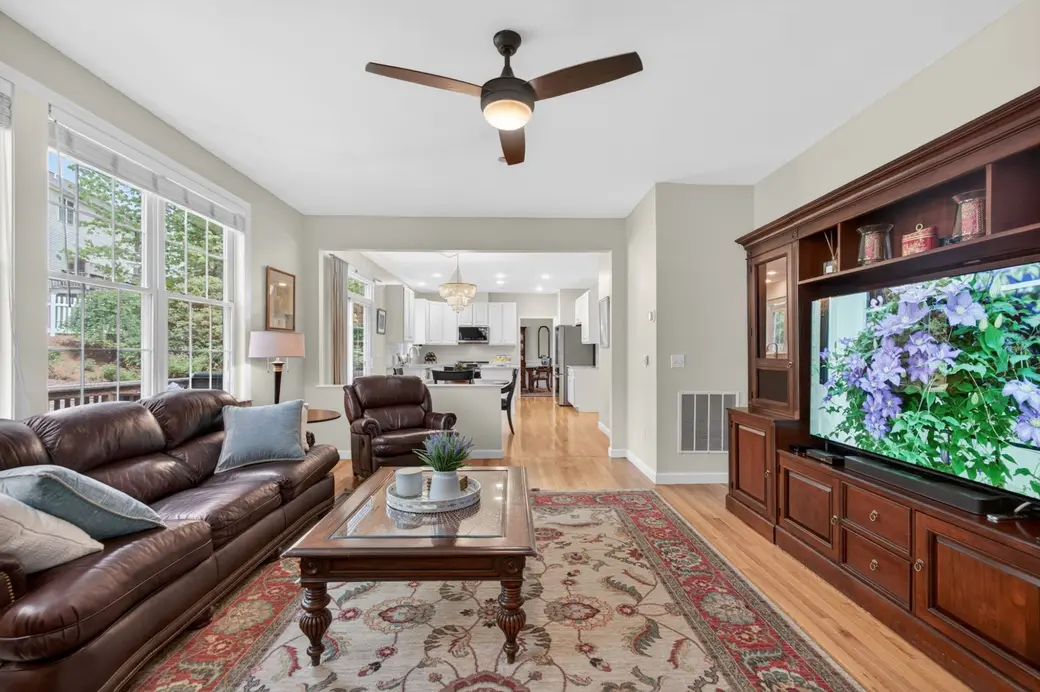
One of the most common themes in real estate conversations today is uncertainty.
Turn on the news, scroll through social media, or read a few headlines online, and you'll quickly find opinions about where the housing market is headed. Some experts predict prices will rise. Others believe inventory will increase. Interest rates remain a frequent topic of discussion. Economic forecasts seem to change from one week to the next.
For homeowners considering a move, all of this information can feel overwhelming.
Many sellers begin asking the same question: "Should I wait until things become more certain?"
The challenge is that uncertainty has always been part of real estate.
While the specific concerns may change from year to year, there is almost always something creating hesitation among buyers and sellers. Sometimes it's interest rates. Sometimes it's inventory levels. Sometimes it's broader economic conditions. The details evolve, but uncertainty itself tends to remain constant.
After working through different market cycles over the years, I've learned that the most successful sellers are not necessarily the ones who wait for uncertainty to disappear. Instead, they are often the ones who focus on the factors they can actually control.
That distinction is important because many homeowners spend significant time worrying about variables that are completely outside their influence.
No seller can control mortgage rates.
No seller can control national economic headlines.
No seller can control inflation, stock market performance, or broader market sentiment.
What sellers can control, however, are many of the factors that directly influence how buyers respond to their property.
One of the most important is preparation.
Long before a home reaches the market, sellers have an opportunity to shape the experience buyers will have when they first encounter the property. This process begins well before professional photos are taken or a listing goes live.
Preparation involves viewing a home through the eyes of a buyer.
When homeowners live in a property for years, it becomes easy to overlook things that a first-time visitor immediately notices. Small maintenance items become part of the background. Rooms fill with personal belongings. Certain features become so familiar that they are no longer consciously observed.
Buyers see things differently.
They are evaluating every aspect of a property while trying to determine whether it feels like the right fit for their future.
That is why preparation remains one of the most valuable investments a seller can make.
Simple improvements often have a significant impact. Fresh paint, decluttering, landscaping, lighting, cleaning, and minor repairs can dramatically influence buyer perception. These changes may not alter the structure of a home, but they can affect how buyers feel when they walk through the front door.
And in real estate, perception matters.
Another factor sellers control is presentation.
Today's buyers almost always begin their search online. Before they schedule a showing, they have typically viewed dozens of listings and compared countless photos.
As a result, first impressions often occur long before a buyer physically visits a property.
Professional photography, thoughtful staging, and strategic marketing can influence whether buyers choose to explore a listing further or continue scrolling.
I've seen beautiful homes struggle simply because they were not presented effectively. I've also seen well-prepared properties generate significant interest because the seller invested time and effort into creating a strong first impression.
Presentation is not about creating a false image. It is about helping buyers see a property's full potential.
Pricing is another area where sellers maintain considerable influence.
In my experience, pricing is often one of the most misunderstood aspects of selling a home. Many homeowners view pricing primarily as a financial decision. While that is certainly part of the equation, pricing is also a marketing strategy.
The initial asking price influences how buyers perceive a property.
If a home is priced appropriately relative to current market conditions, it often attracts stronger interest and more activity. Buyers are more likely to schedule showings, compare the property favorably against alternatives, and engage in meaningful conversations.
When a home is overpriced, the opposite can occur.
Activity slows. Showings decline. Days on market increase.
Eventually, buyers begin wondering why the property has not sold.
The irony is that homeowners sometimes overprice their homes in an effort to maximize value, only to discover that reduced buyer interest makes achieving that goal more difficult.
Pricing is one of the most powerful tools available to sellers, and it deserves careful consideration.
Flexibility is another area where sellers can create an advantage.
Real estate transactions involve many moving parts. Buyers have schedules. Lenders have timelines. Inspections reveal issues. Unexpected circumstances emerge.
The sellers who navigate these situations most effectively are often the ones who remain adaptable.
This does not mean accepting unfavorable terms or abandoning important goals. Rather, it means recognizing that flexibility often creates opportunities for successful outcomes.
A willingness to accommodate showings, consider different closing timelines, or approach negotiations with an open mind can make a meaningful difference.
Communication also remains firmly within a seller's control.
One of the things I have learned over the years is that many real estate challenges become easier to solve when expectations are clear and communication is consistent.
Buyers appreciate transparency.
Agents appreciate responsiveness.
Transactions tend to move more smoothly when everyone understands the process and feels informed along the way.
Good communication builds confidence, and confidence often leads to stronger outcomes.
Perhaps most importantly, sellers can control their mindset.
This may sound less tangible than pricing or preparation, but it matters.
Homeowners who approach the process with realistic expectations often experience less stress and make better decisions. They understand that no transaction is likely to be perfect. They recognize that challenges may arise. They focus on their long-term objectives rather than reacting emotionally to every development.
This perspective creates stability during a process that can sometimes feel unpredictable.
One of the biggest mistakes sellers make is assuming that market uncertainty means they have no control over the outcome.
In reality, the opposite is often true.
While no one can dictate broader market conditions, homeowners have significant influence over how their property is positioned, presented, marketed, and managed throughout the selling process.
Those factors matter.
In fact, they frequently matter more than many people realize.
When buyers walk through a home, they are not evaluating interest rate forecasts. They are not analyzing economic reports. They are not studying market predictions.
They are evaluating a property.
They are deciding whether it feels right.
They are determining whether it offers value.
They are imagining their future there.
The sellers who understand this distinction often achieve stronger results because they focus their energy where it can make the greatest difference.
Uncertainty will always exist in some form.
The question is not whether uncertainty is present.
The question is how you respond to it.
The homeowners who focus on preparation, presentation, pricing, flexibility, communication, and realistic expectations place themselves in the strongest possible position regardless of market conditions.
And that remains true whether the market is rising, falling, or somewhere in between.
At the end of the day, successful home sales are rarely the result of perfect circumstances.
More often, they are the result of thoughtful decisions made consistently throughout the process.
That is something every seller can control.
Additional Resources from The Carroll Group
If you're considering selling your home, preparation is one of the most effective ways to create confidence and improve results.
We've created several complimentary resources to help homeowners get started:
Free Photo Prep Checklist:
Free Photo Prep Checklist
Free Home Staging Checklist:
Free Home Staging Checklist
Free Pre-Listing Checklist:
Free Pre-Listing Checklist
These free guides can help you prepare your property, create a strong first impression, and approach the selling process with greater confidence.
Frequently Asked Questions
What areas does The Carroll Group serve?
The Carroll Group serves buyers and sellers throughout Andover MA, North Andover MA, Methuen, Lawrence, Boxford, and surrounding Massachusetts communities.
Is Andover MA a good place to buy a home?
Andover MA continues to be one of the most desirable towns in Massachusetts due to its strong school systems, commuter accessibility, historic charm, and competitive real estate market.
How competitive is the Andover MA real estate market?
The Andover MA housing market remains competitive, with well-priced homes often receiving strong interest from buyers. Market conditions can vary depending on inventory, pricing strategy, and seasonality.
What is my home worth in Andover MA?
Home values in Andover MA depend on location, condition, square footage, updates, and current market demand. The Carroll Group provides customized home valuations based on real-time market data.
When is the best time to sell a home in Andover MA?
Many homeowners choose to sell during the spring and summer months, but strong homes in desirable neighborhoods can perform well year-round in the Andover MA real estate market.
How do I prepare my home for sale?
Preparing your home for sale may include decluttering, staging, light repairs, professional photography, and strategic pricing. The Carroll Group helps sellers create a customized marketing plan designed to maximize exposure and buyer interest.
Why work with a local Andover MA realtor?
Working with a local Andover MA real estate team provides insight into neighborhood trends, pricing strategy, school districts, buyer behavior, and local market conditions that national platforms cannot replicate.
Does The Carroll Group help buyers and sellers?
Yes. The Carroll Group works with both home buyers and home sellers throughout Andover MA and surrounding towns, offering guidance throughout the entire real estate process.
- Photos Courtesy of SHAM Media
- Marketing Courtesy of New Love Marketing & Design
Categories
Recent Posts










MEET OUR TEAM
Our team of agents are ready to help you reach your real estate goals by making your needs our number one priority. We recognize you have a choice when it comes to working with a real estate professional. Our team of agents looks forward to earning your trust and helping you discover the smarter way to buy or sell a home.

GET MORE INFORMATION